
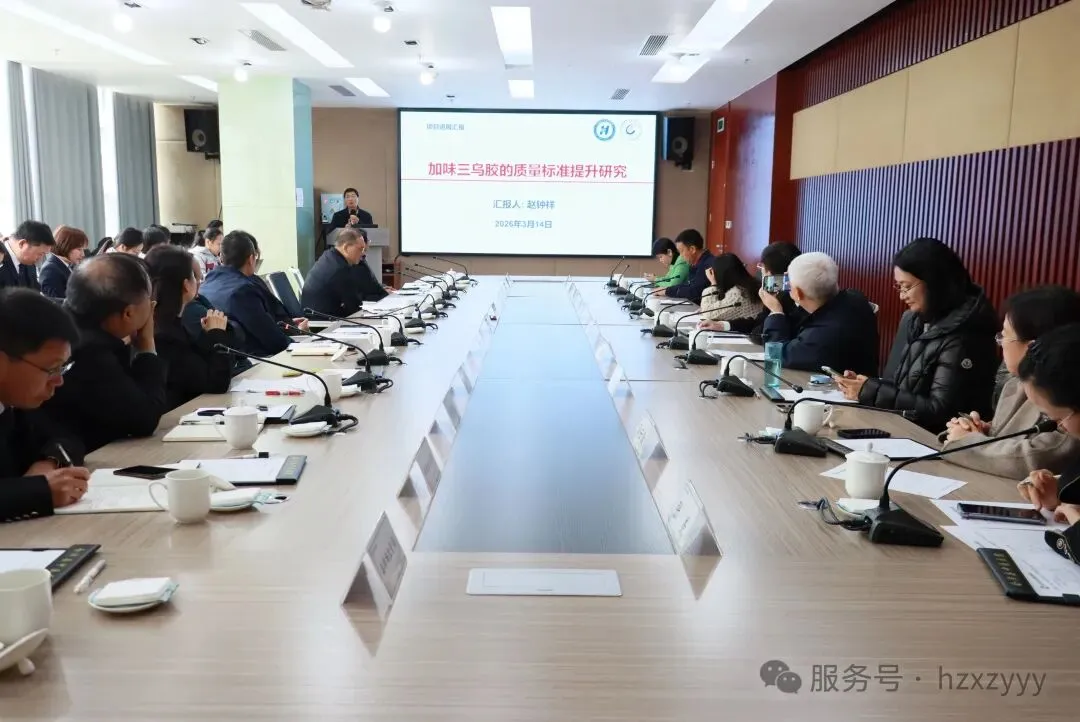
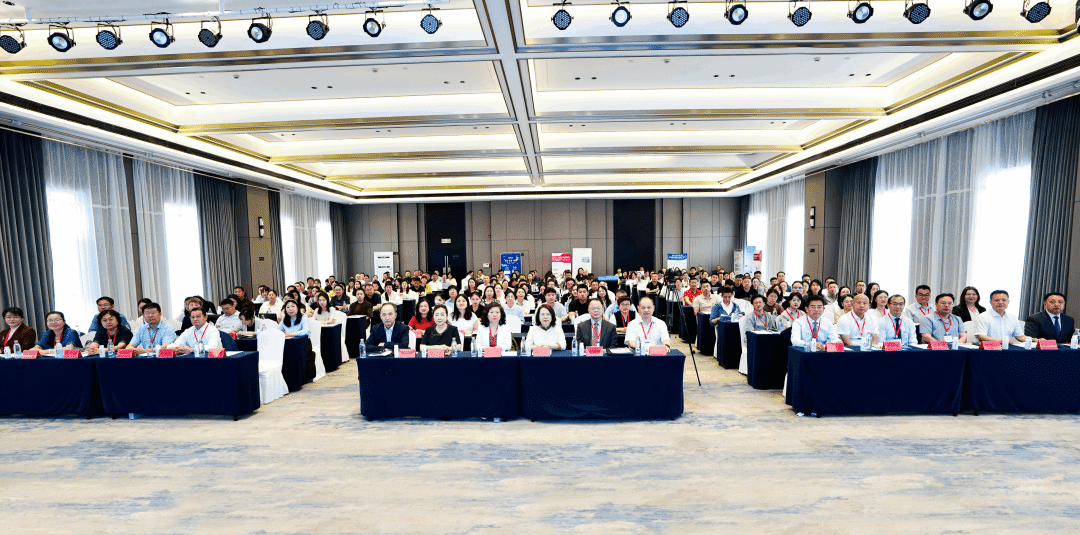
On March 14, the Work Promotion Meeting of Huize Sanwu Industry Research Institute was successfully held at the Huize County Traditional Chinese Medicine Hospital. Academician Liu Liang of the Chinese Academy of Engineering, leaders from Guangdong Provincial Hospital of Traditional Chinese Medicine, leaders from the Guangdong Provincial Laboratory of Traditional Chinese Medicine, leaders from Yunnan University of Chinese Medicine, leaders from the Qujing Municipal Committee of the Chinese People's Political Consultative Conference (CPPCC), and Ding Dongping, Secretary of the Huize County Party Committee, attended the event. Together, they discussed major strategies for industry development and mapped out a blueprint for the high-quality development of the Sanwu industry.
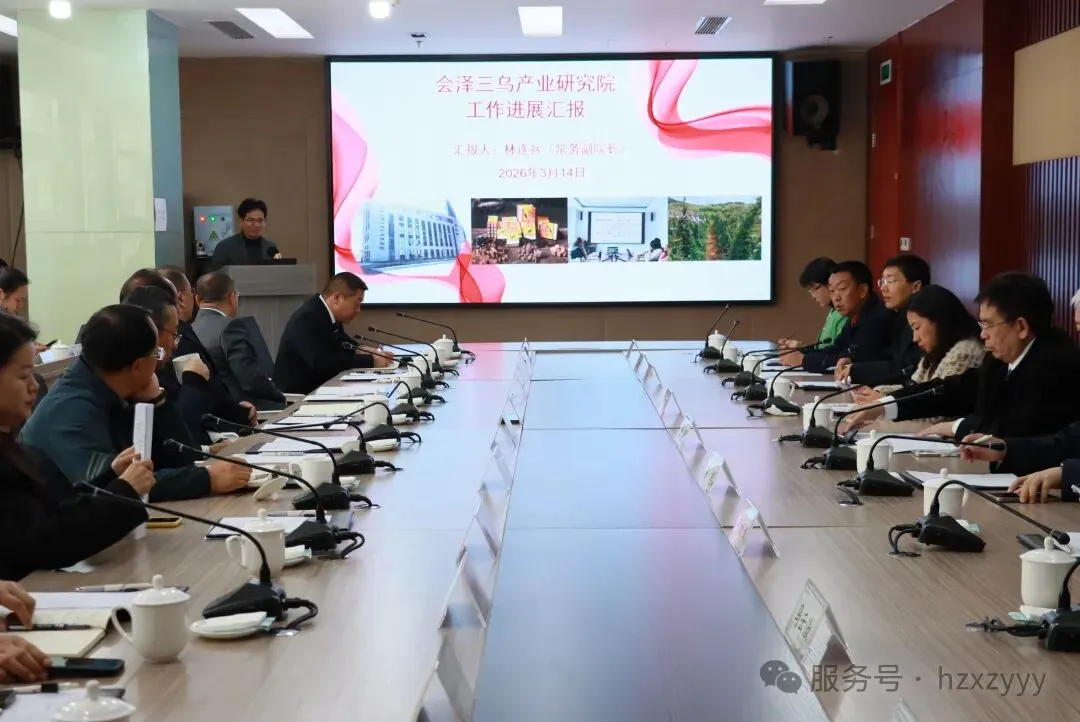
At the outset of the meeting, Lin Lianbing, Executive Vice President of Huize Sanwu Industry Research Institute; Zhang Lingyu, a doctoral candidate from the Guangdong Provincial Laboratory of Traditional Chinese Medicine; Zhao Zhongxiang, Associate Dean of the School of Pharmaceutical Sciences at Guangzhou University of Chinese Medicine; and Zhuo Jingxian, Deputy General Manager of Guangzhou Evidence-Based Medicine Technology Co., Ltd., delivered comprehensive reports on the preliminary work progress. They systematically summarized the phased achievements the institute has made since its establishment in scientific research, platform development, industry-academia-research integration, and talent cultivation. With a focus on the enhanced Jiawei Sanwu Jiao (Modified Sanwu Glue) formulation and the conservation and utilization of authentic Daodi TCM resources, the institute has achieved a series of breakthroughs in seed selection, standardized cultivation, primary processing, deep processing, and product development, fulfilling the "Five Ones" work requirements proposed by Academician Liu Liang.
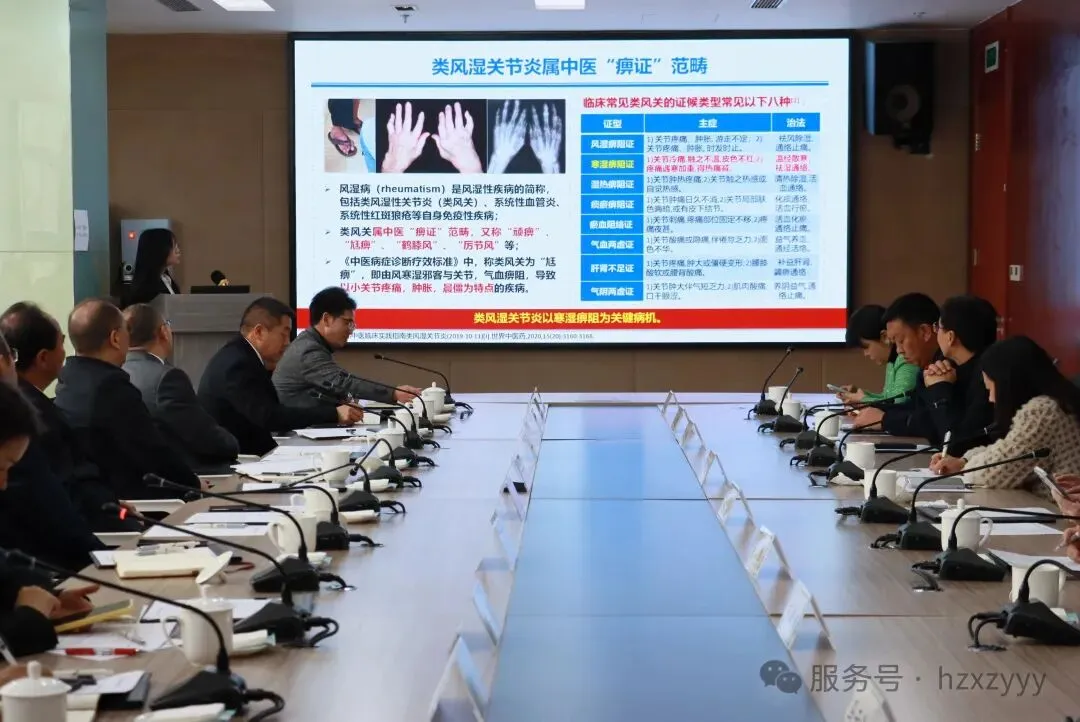
During the meeting, attending experts and representatives engaged in in-depth discussions on the institute's development positioning, research directions, and technological innovation. Drawing on their respective areas of expertise, they offered targeted recommendations on TCM germplasm resource conservation, cultivation technology optimization, product process upgrading, brand building and promotion, and formulation development. Representatives from partner institutions including Guangzhou University of Chinese Medicine and Yunnan University of Chinese Medicine expressed their commitment to further deepening industry-academia-research collaboration, focusing on industry pain points, increasing technical support and talent development efforts, promoting the translation of more research outcomes into practical applications in Huize, and facilitating the transformation and upgrading of the Sanwu industry.
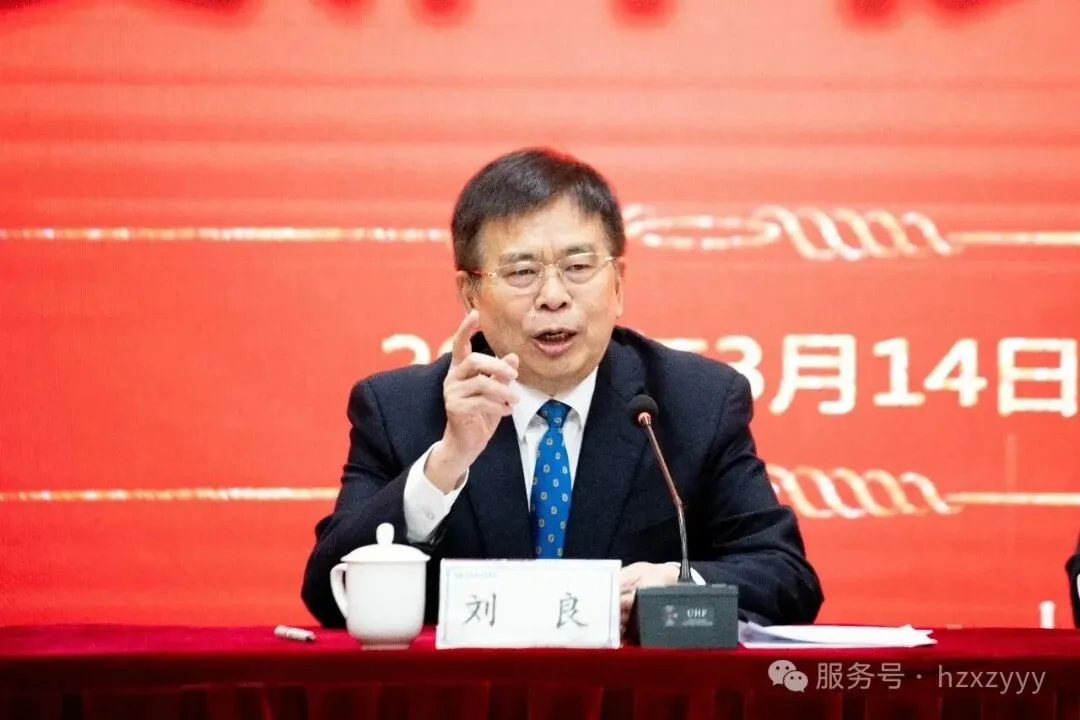
Relevant municipal and county-level leaders fully affirmed the institute's preliminary work. They noted that since the institute's inception, Academician Liu Liang has consistently remained deeply engaged with the development of Huize's Sanwu industry, providing personal guidance and dedicated support. The experts, leveraging their professional strengths, have offered substantial assistance in scientific research, technical guidance, and talent cultivation, charting the course and providing safeguards for the high-quality development of Huize's TCM industry. The people of Huize will always remember this support. The leaders also sincerely requested that Academician Liu Liang and the expert team continue to maintain their commitment to Huize, applying their expertise to help the county overcome industry bottlenecks and address developmental shortcomings. Municipal and county-level Party committees and governments will, as always, support the work of the Huize Sanwu Industry Research Institute, continuously optimize the business environment, implement supportive policies, improve collaborative coordination mechanisms, and make every effort to resolve difficulties encountered in the institute's development. They pledged to provide comprehensive safeguards for industrial development and scientific innovation, jointly promoting the high-quality growth of Huize's Sanwu industry and transforming the "bitter medicinal herb" into a "sweet industry" that brings prosperity to the local people.
In his concluding remarks, Academician Liu Liang emphasized the following key points:
First, continue to anchor the "Five Ones" development framework. The "Five Ones" initiative must remain the core driver of all efforts. The institute should steadfastly pursue this goal with sustained commitment, integrating the "Five Ones" requirements throughout every stage and aspect of industrial development to ensure tangible results and solidify the foundation of the Sanwu industry.
Second, strengthen cooperation and promotion. Focus should be placed on developing "one platform" with the Zhou Hua Expert Workstation as a hub, bringing together high-quality research resources from both within and outside the province to further expand technological R&D and industrial development platforms, and enhance their functionality and efficiency. Technology translation should be deepened to bridge research outcomes with production practices, accelerating the transfer of advanced technologies and mature results to the industrial front lines so that research achievements become a true "catalyst" for industrial growth. The talent development pipeline should be extended by refining a "research + industry" training model—cultivating local hands-on talent while leveraging expert workstations to attract high-level professionals, building a multidisciplinary talent pool suited to industrial needs. Concurrently, efforts should be made to integrate the TCM industry chain, removing bottlenecks across planting, processing, R&D, and marketing to achieve coordinated and synergistic development across upstream and downstream segments. Priority should be given to promoting the development of hospital-based proprietary preparations, unlocking the medicinal value of Huize's native herbs, diversifying product categories, increasing product added value, and advancing diversified industrial development.
Third, optimize management systems and mechanisms. "Management is key; management yields results." Based on the institute's current stage of development, the management structure should be further streamlined, systems and regulations improved, and roles and responsibilities clearly defined to establish a governance framework with clear authority, efficient operations, and orderly coordination. Collaborative management with relevant departments and partner institutions should be strengthened to break down communication barriers and create synergy, translating management effectiveness into tangible industrial outcomes and providing robust support for the sustained and healthy growth of the Sanwu industry.
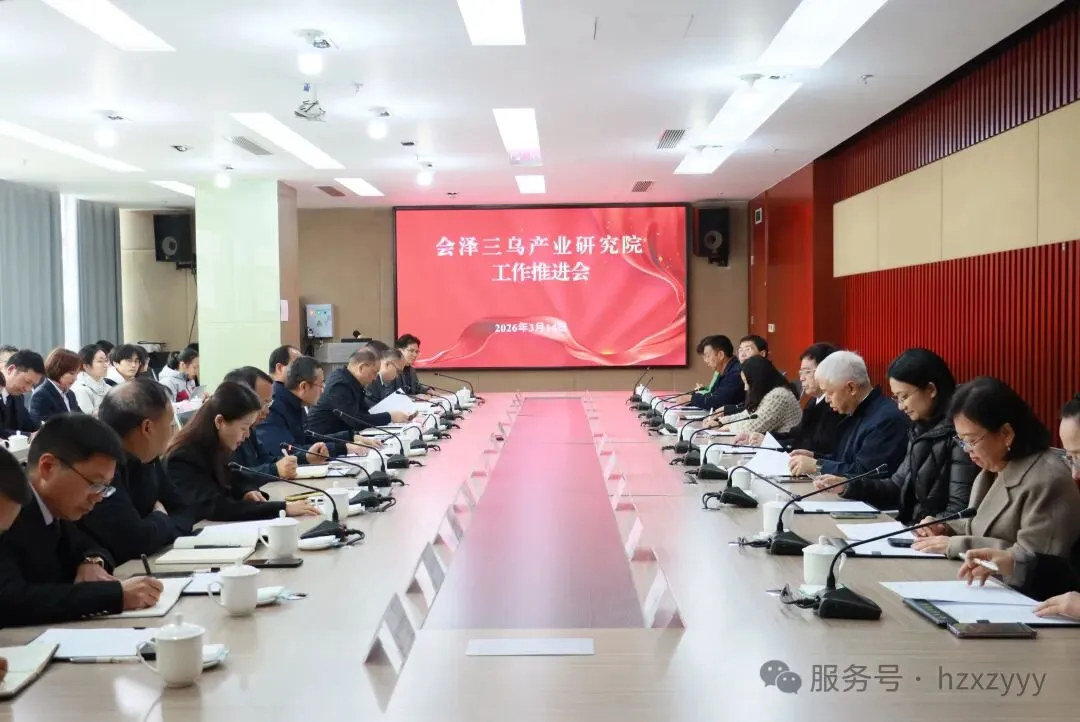
This work promotion meeting has further clarified the institute's development direction and key priorities, consolidated efforts from all parties, and laid a solid foundation for the next phase of work. Moving forward, the Huize Sanwu Industry Research Institute will take this meeting as an opportunity to thoroughly implement Academician Liu Liang's concluding directives, bearing its mission in mind with practical action and a strong sense of responsibility. The institute will continue to anchor the "Five Ones" development goals, strengthen cooperation and promotion, optimize management mechanisms, and focus on scientific innovation, outcome translation, industrial empowerment, and industry chain integration. Full efforts will be directed toward accelerating technology translation, improving talent development quality, prioritizing the development of hospital-based proprietary preparations, deepening collaboration with medical institutions, standardizing R&D processes, unlocking the medicinal value of local herbs, and expediting the launch of distinctive proprietary products. These efforts will drive Huize's Sanwu industry toward standardization, green development, branding, and industrialization, making greater contributions to rural revitalization and the high-quality economic and social development of Huize County.
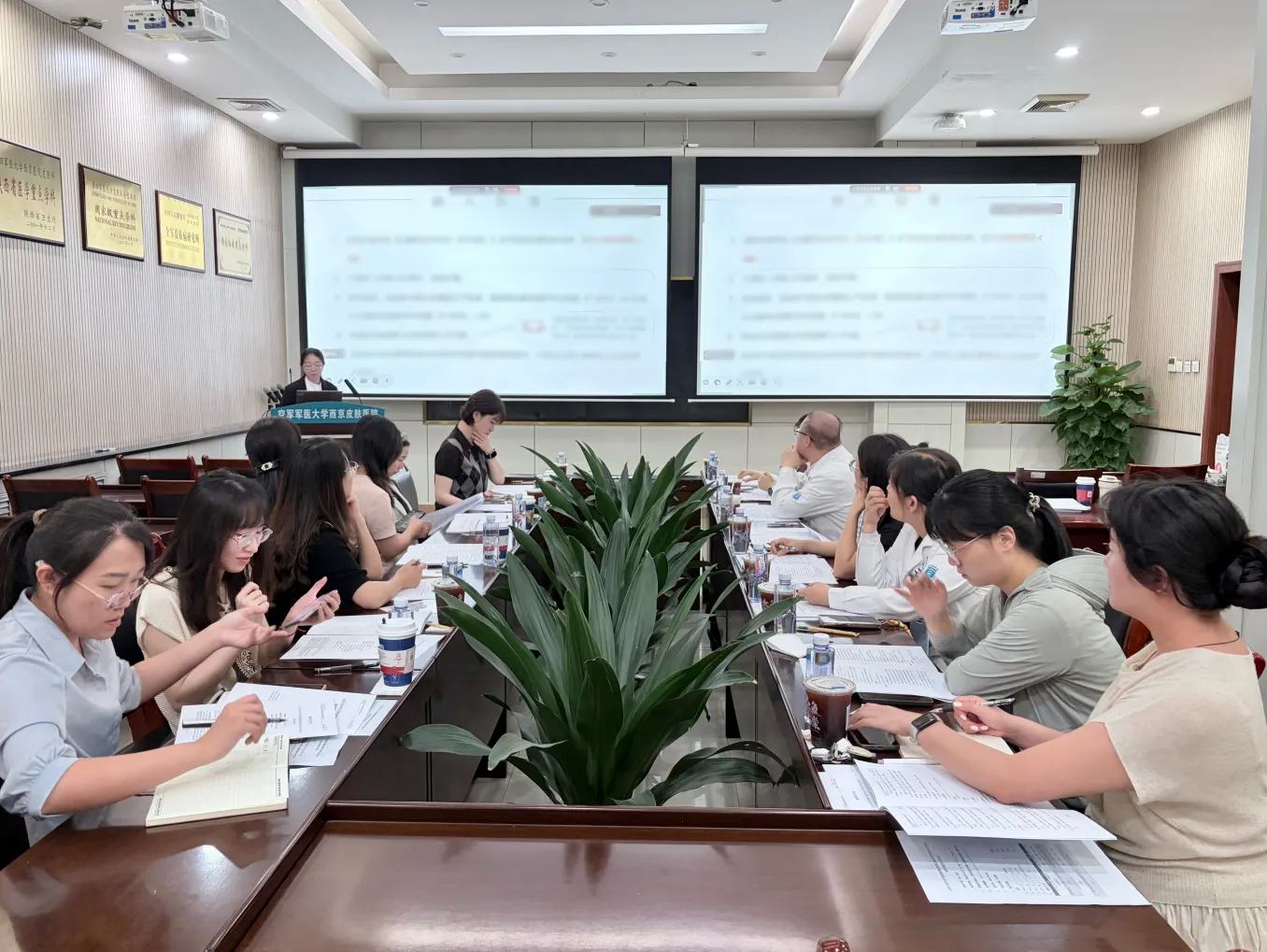
As a core partner, Guangzhou Evidence-Based Medicine (Guangzhou EBM) has been deeply involved in and coordinated the implementation of the human-use experience (real-world evidence) research project for Jiawei Sanwu Jiao. By developing a scientifically sound research protocol, conducting standardized data collection, rigorous quality control, and professional data management, and performing systematic statistical analyses, the company comprehensively reviewed and evaluated key information regarding the prior usage, target patient populations, treatment course, onset of effect, and safety profile of Jiawei Sanwu Jiao. The research findings are highly consistent with the hospital's clinical understanding of this key product and are mutually corroborated by pharmacological research results from the Hengqin Laboratory, providing strong evidence for the industrial development value and clinical application potential of Jiawei Sanwu Jiao.
Throughout the research process, Guangzhou EBM also conducted specialized training on human-use experience regulations and research implementation methodologies across multiple hospital departments, effectively strengthening the hospital's practical research capabilities. This work represents a concrete practice of Guangzhou EBM's mission to "use evidence-based methods to explore the clinical value of traditional Chinese medicine." It not only provides solid evidence-based medical evidence for the clinical application and industrial upgrading of Jiawei Sanwu Jiao but also offers tangible support for Huize County Traditional Chinese Medicine Hospital in cultivating TCM R&D talent and enhancing research capacity.
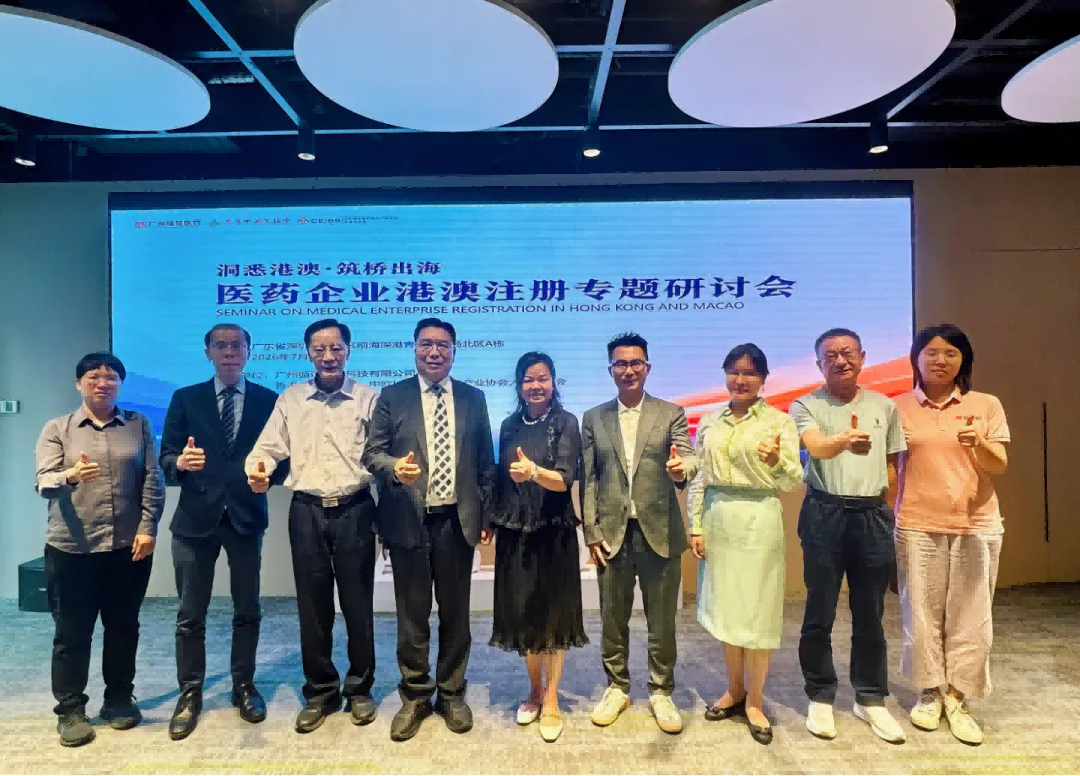
With a professional and efficient service system and a comprehensive operational network, Guangzhou Evidence Based Medicine is committed to providing tailored one-stop traditional Chinese medicine research and development full industry chain service solutions for every customer, promoting traditional Chinese medicine to the world and safeguarding the health of more people.
